

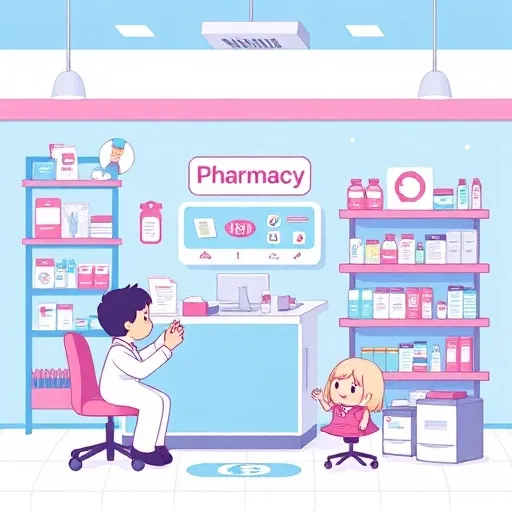
Modern pharmacy serv
Why Pharmacy Services Matter More Than Ever in 2026
Let's be real — healthcare has gotten wildly complicated, and folks are busier than ever. Nobody wants to burn an hour in line just to grab a prescription refill. That's exactly why pharmacy services have blown up in scope. Today's pharmacy isn't some boring dispensing counter anymore — it's turning into a full-on health hub, and honestly, it's about time.
Industry pros have been saying for years that the pharmacy is usually the most accessible touchpoint in the whole healthcare system. You might wait weeks to see a specialist, but your local pharmacy? You can just walk in, chat with a knowledgeable pharmacist, and get real answers about your meds. That kind of accessibility is a massive deal, and in 2026, pharmacy services are leaning into that role harder than ever before.
Whether you're managing a chronic condition, hunting for preventive care advice, or just trying to figure out which over-the-counter option makes sense for a stubborn cough, pharmacy services have become a first line of defense — and a pretty reliable one at that.
The Digital-First Shift Reshaping Modern Pharmacy Services and Patient Care
If there's one trend that's completely reshaped pharmacy services in 2026, it's the digital transformation. And no, we're not just talking about ordering refills through an app (though that's definitely part of it). The entire experience has gone digital-first in ways that genuinely improve health outcomes.
Telepharmacy and virtual consultations with pharmacists have gone mainstream. Instead of driving to a physical location just to ask about drug interactions or side effects, you can now connect with a licensed pharmacist through a video call or secure messaging platform. This is especially huge for people in rural areas or those dealing with mobility challenges.
What's interesting is that telepharmacy isn't just a convenience feature — it's actually improving medication adherence. When people can easily ask questions without the friction of an in-person visit, they're way more likely to follow through with their treatment plans. That's a win for everyone involved.
Smart prescription management systems have gotten seriously intelligent, too. Modern platforms can now send automatic refill reminders, flag potential drug interactions before they become problems, and even coordinate with prescribers to streamline approvals. Some systems use predictive analytics to anticipate when you'll need a refill based on your usage patterns — so your medication is ready before you even realize you're running low. This kind of proactive pharmacy service reduces the risk of running out of essential medications, which is a bigger problem than most people realize. Missed doses due to refill delays are a leading cause of preventable health complications, and smart prescription management is directly addressing that gap.
And let's not forget electronic prior authorization. Nobody enjoys the prior authorization process — the paperwork, the waiting, the back-and-forth. Fortunately, electronic prior authorization has become standard practice across most pharmacy services in 2026. What used to take days now often takes hours, and in some cases, minutes. This means patients get access to their medications faster, and healthcare providers spend less time buried in administrative work.
Personalized Medication Counseling and Clinical Pharmacy Services for Better Outcomes
All the technology in the world doesn't replace the value of a real conversation with a knowledgeable pharmacist. And in 2026, personalized medication counseling has become a cornerstone of quality pharmacy services.
Here's what that looks like in practice:
- Comprehensive medication reviews — Pharmacists sit down with patients (virtually or in person) to review all their medications, including supplements and over-the-counter products, to identify potential drug interactions, duplications, or unnecessary prescriptions.
- Pharmacogenomic guidance — Genetic testing is now more accessible than ever, and pharmacists are increasingly using pharmacogenomic data to recommend medication choices tailored to an individual's genetic makeup. This is a game-changer for conditions where drug response varies widely between patients.
- Chronic disease management support — For people managing diabetes, hypertension, or other chronic conditions, pharmacists are providing ongoing counseling and monitoring that complements what their primary care provider offers.
- Medication therapy management — Structured programs that help patients get the maximum benefit from their medication regimens while minimizing side effects and costs.
This personalized approach is a big part of why pharmacy services have become more than just a transactional experience. The pharmacists who embrace this role are becoming genuine partners in their patients' health journeys.
Preventive Health Services and Wellness Screenings at Local Pharmacy Locations
One of the most underrated developments in pharmacy services is the expansion of preventive care offerings. In 2026, your local pharmacy is likely doing a whole lot more than filling prescriptions.
Pharmacies have become a primary destination for vaccinations — and not just flu shots. Travel vaccines, shingles vaccines, HPV vaccines, and routine immunizations are all commonly available at pharmacies now. The convenience factor here is massive. You can walk in, get your shot, and be on your way in 15 minutes. No appointment necessary at many locations.
Many pharmacy services now include basic health screenings — blood pressure checks, cholesterol testing, blood glucose monitoring, and even certain types of cancer screenings. These services are particularly valuable for people who don't have a regular primary care provider or who face barriers to accessing traditional healthcare settings. Early detection makes a huge difference in outcomes for so many conditions, and pharmacy-based screenings are helping to close gaps in preventive care.
Pharmacists are also increasingly offering guidance on smoking cessation, weight management, nutrition, and other lifestyle factors that affect health. This isn't about replacing your doctor — it's about adding another layer of support that's accessible, affordable, and non-judgmental.
Specialty Pharmacy Services and Home Delivery for Complex Chronic Conditions
Specialty medications — the ones used to treat complex, chronic, or rare conditions — require a different level of care. And specialty pharmacy services have evolved significantly to meet that need. These medications often require special handling, storage, and administration. They may also come with significant side effect profiles that need careful monitoring. Specialty pharmacies provide dedicated care coordinators who help patients navigate insurance, financial assistance programs, and treatment logistics, plus ongoing clinical monitoring to catch adverse effects early, education on proper administration techniques (especially for injectables and infusions), and coordination with prescribers to adjust treatment plans as needed.
The personalized, high-touch nature of specialty pharmacy services makes a real difference for patients dealing with serious health conditions. It's one of the areas where pharmacy services have the most direct impact on quality of life.
Home delivery of medications has become a standard expectation in 2026. Most pharmacy services now offer free or low-cost delivery, often with same-day or next-day options in urban areas. For people with mobility issues, busy schedules, or transportation barriers, this is a lifeline. Medication synchronization programs (sometimes called "med sync") are another practical innovation. Instead of making multiple trips to the pharmacy each month for different prescriptions, patients can align all their refills to a single monthly pickup or delivery date. It sounds simple, but it dramatically reduces the burden of managing multiple medications — and improves medication adherence in the process.
How to Choose the Right Pharmacy Services and Medication Management Options
With so many options available, picking the right pharmacy services can feel a bit overwhelming. Here are some practical things to consider:
- Check your insurance coverage — Coverage varies widely between pharmacy service providers. Before you commit, make sure you understand what's covered, what your copays look like, and whether there are restrictions on which medications they'll fill.
- Consider accessibility — Do you need evening or weekend hours? Home delivery? A drive-through window? Telepharmacy options? Think about your actual day-to-day needs and pick a pharmacy that fits your lifestyle.
- Look for specialized services — If you have a complex condition, choose a pharmacy that offers specialty services or at least has pharmacists with expertise in your area. Don't hesitate to ask about their experience with your specific medications.
- Evaluate communication and medication counseling — Good pharmacy services go beyond dispensing. Look for pharmacies that offer meaningful counseling, are responsive to questions, and treat you like a person rather than a transaction.
- Check technology offerings — Does the pharmacy have a user-friendly app? Can you manage prescriptions online? Do they offer automatic refill reminders? These features can make a big difference in how smoothly your medication management goes.
The trajectory is clear: pharmacy services are becoming more integrated, more personalized, and more accessible with every passing year. From AI-powered medication management and point-of-care testing to wearable device integration and micro-fulfillment centers, the future of pharmacy services is all about meeting patients where they are — and making healthcare a whole lot easier along the way.